Great Vibes, Zero Release: What's Really Killing Your Studio Sessions Before They Ever See Daylight
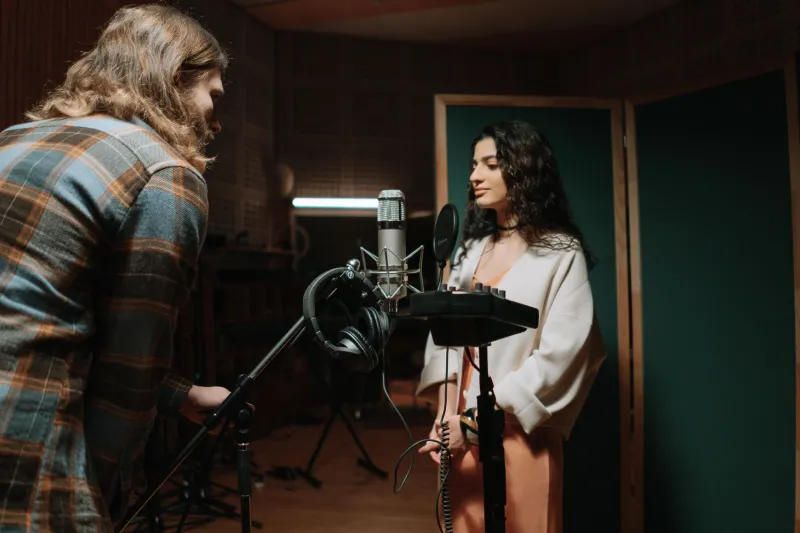
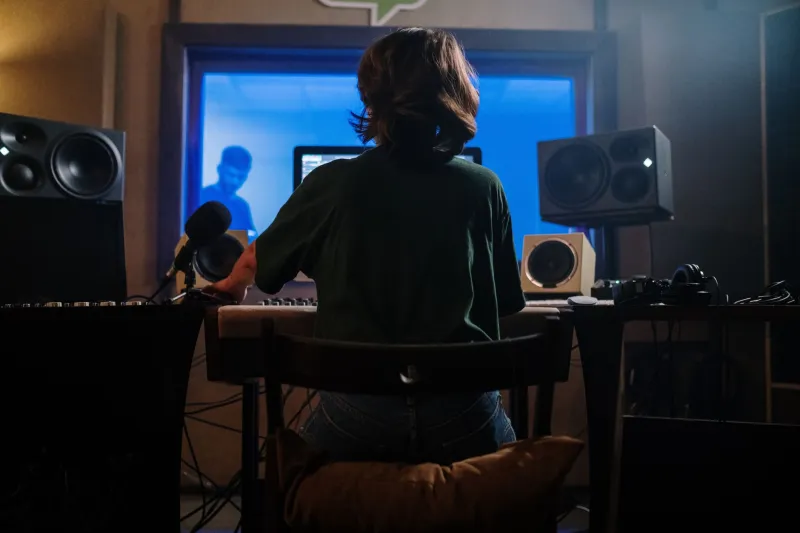
There's a specific kind of heartbreak that producers know better than anyone. You're in the booth, the energy is electric, the rapper is locked in, and the beat is hitting exactly the way you imagined it when you first built it at 2 a.m. in your bedroom. Everyone in the room is feeling it. You're already mentally picturing the release.
Then weeks pass. Then months. And somehow, that track — the one that had the whole room hyped — never sees the light of day.
This isn't a rare situation. It's practically an epidemic in the production world. And it's not just about laziness or bad luck. There are real, identifiable reasons why sessions that feel incredible in real-time end up shelved, abandoned, or quietly forgotten. Understanding those reasons is the first step to actually breaking the pattern.
The Energy in the Room Lies to You
Studio sessions carry their own emotional atmosphere. When beats are banging and a rapper is freestyling bars that seem to flow out of nowhere, that shared excitement creates a kind of collective illusion. Everyone feels like they're witnessing something historic. The problem is that in-the-moment chemistry doesn't automatically translate into a commercially viable, finished product.
What sounds incredible live — with everyone feeding off each other's energy — can reveal serious structural problems once the playback happens in isolation. The hook might be underdeveloped. The verses might meander. The mix might be a disaster that nobody noticed because the vibe was too good to stop and fix anything.
Producers who've been through enough sessions start developing a kind of sixth sense for separating real creative momentum from studio euphoria. If you can't tell the difference yet, that's okay — but you need to start training yourself to listen critically even when the energy is high.
Conflicting Visions Nobody Talked About
One of the most common killers of promising collabs is a vision mismatch that never got addressed upfront. The producer had one idea for where the track was going. The rapper had a completely different concept. Neither person said anything because the session was going well and nobody wanted to break the flow.
But those silent conflicts don't disappear — they just get baked into the track itself. And when it comes time to mix, master, and actually push the project toward release, those unresolved tensions surface in ugly ways. Suddenly you're arguing about whether the beat needs to be reworked, whether the lyrics fit the sonic direction, or whether the whole song is even the right genre for either of your audiences.
The fix here is almost embarrassingly simple: have the conversation before you start recording. What's the intended platform? Where does this track live — streaming, sync licensing, social content? What's the energy you're both chasing? Five minutes of pre-session alignment can save you weeks of wasted effort.
Technical Chaos That Gets Ignored in the Moment
Sessions move fast. Especially when creativity is flowing, nobody wants to stop and troubleshoot a gain-staging issue or redo a vocal take because the mic positioning was slightly off. The instinct is to keep rolling and fix it in post.
Except post never comes. Or when it does, the technical problems are so embedded in the session that fixing them would require essentially starting over. At that point, the motivation to revisit a track that already felt "done" in the moment is almost nonexistent.
Building in basic technical checkpoints — even brief ones — during sessions is non-negotiable if you want projects to actually cross the finish line. A quick five-minute audit of your recording levels and signal chain before you start laying vocals costs almost nothing. Discovering three weeks later that your best take was clipping the whole time costs everything.
When the Collab Is Doomed From the Jump
Sometimes the problem isn't anything that happened in the session — it's who walked through the door. Not every producer-rapper pairing is built to produce a finished, releasable track, no matter how talented both parties are individually.
Here are some early warning signs worth paying attention to:
- Vague commitment language. If your collaborator keeps saying things like "we'll figure it out" or "let's just see where it goes" when you try to establish timelines or goals, that's a signal.
- No skin in the game. When one party isn't investing anything — no money, no time, no creative preparation — they have very little reason to push through the hard parts of finishing a project.
- Constant redirection. If every time you make progress, new ideas get introduced that pull the track in a completely different direction, you're dealing with someone who might not actually know what they want.
- The "I'll send you the stems" that never arrives. You know this one. It's the producer equivalent of being ghosted.
None of these things mean the person is a bad artist. They might just not be the right collaborator for a project that's meant to go somewhere.
Salvaging What's Worth Saving
Not every troubled session needs to be written off. Some of the most interesting tracks in hip-hop history came from sessions that almost didn't work. The key is knowing when to push through versus when to cut your losses.
If the core of the track is genuinely strong — the beat is hitting, the hook has something real, and the energy of the original session is captured in the recording — it's worth investing time to diagnose and fix the specific problems rather than abandoning ship entirely.
A few practical moves:
Bring in a neutral ear. Someone who wasn't in the room when the track was made can hear it without the emotional attachment that's clouding your judgment. Their feedback, even if it stings, is invaluable.
Set a hard deadline for revisions. Open-ended revision cycles are where tracks go to die. Give yourself and your collaborator a specific date by which the track is either done or officially shelved. That pressure forces decisions.
Strip it back and rebuild selectively. Sometimes the problem isn't the whole track — it's one element that's throwing everything off. Isolating that element and reworking just that piece can resurrect a session that felt beyond saving.
Protecting Your Time on the Front End
The real long game here is building a system that filters out doomed collabs before you've invested serious production hours into them. On BeatBoard, you've got access to a community of producers and rappers who are actively working and actively releasing. That's an advantage — use it to vet potential collaborators before committing to a full session.
Look at their release history. Do they actually finish and drop projects? Check how they communicate during the early back-and-forth. Are they responsive, clear, and specific about what they're looking for? These aren't foolproof signals, but they're a lot more reliable than vibes alone.
Because vibes, as we've established, will lie to you every single time.
The booth is where the magic starts. But the real work — the unglamorous, unsexy, logistical and creative heavy lifting — is what actually gets a track from recorded to released. Figure out how to close that gap, and you won't just make great sessions. You'll make great music that people actually hear.