Fifteen Seconds to Fame: How Producers Are Turning Short-Form Clips Into Streaming Gold
Not too long ago, getting your beats heard meant cold-emailing A&Rs, flooding SoundCloud with uploads, and hoping some rapper with a decent following stumbled across your page. That playbook still exists — but it's becoming about as relevant as handing out CDs at open mics. The new gatekeepers aren't sitting in label offices. They're scrolling.
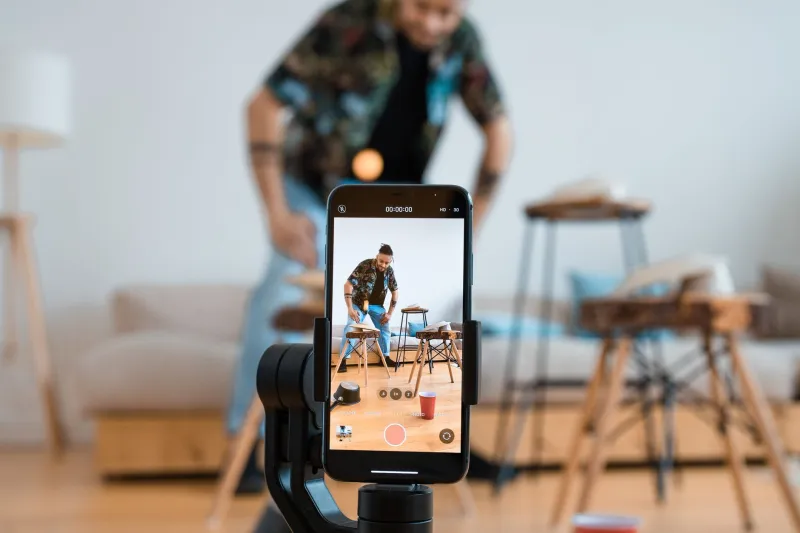
TikTok and YouTube Shorts have quietly become the most powerful beat discovery engines on the planet, and producers who figured that out early are reaping serious rewards. We're talking licensing inquiries flooding their DMs, streaming numbers climbing without a single press run, and fanbases built almost entirely through algorithmic reach. The wild part? Most of them started with nothing more than a phone, a fifteen-second loop, and a solid understanding of how the feed works.
Why the Algorithm Actually Favors Producers
Here's something that doesn't get talked about enough: short-form video platforms are structurally built for instrumental content. Audio is baked into the experience in a way it never was on Twitter or Instagram. When a beat hits during a scroll, it stops thumbs. It triggers saves. It gets used in other people's videos, which creates a compounding loop of exposure that no ad budget can fully replicate.
The algorithm rewards watch time, replays, and shares — and a hypnotic drum pattern or a melodic loop that hits just right will rack up all three without a single word of explanation. Producers are working with a natural advantage here that a lot of them haven't fully leaned into yet.
And the timing matters. TikTok's sound library is essentially a living chart. When a clip gets traction, the platform surfaces it to creators looking for audio, which means your beat can end up soundtracking thousands of videos you never even knew existed. That kind of organic amplification is the dream — and it's genuinely happening for producers who post with intention.
The Producers Actually Making It Work
Take the case of Cxdy, a Dallas-based producer who started posting raw beat-making sessions on TikTok in 2022. Instead of dropping polished promotional content, he leaned into process — showing how he built a sample flip from scratch, explaining the chop in real time, letting the personality come through. His comment sections turned into a producer community overnight. Labels started reaching out. Artists started tagging him. By mid-2023, he had placements he could trace directly back to TikTok virality.
Then there's Cashmoneyap, who weaponized YouTube Shorts by posting looped beat previews with nothing but a simple visual — a bouncing waveform, the BPM in the corner, a clean tag. Short, repeatable, algorithm-friendly. His subscriber count climbed steadily, and more importantly, the right people were watching. Sync licensing inquiries started coming in from content creators who'd found him through the Shorts feed and needed something that sounded exactly like what he was already making.
Both producers share a common thread: they stopped treating social media like a billboard and started treating it like a conversation.
Tactics That Are Actually Moving the Needle
If you're a producer on BeatBoard looking to replicate this kind of traction, the approach is less about going viral and more about building a consistent presence that the algorithm learns to trust. Here's what's working right now:
Post process, not just product. Nobody wants to watch a fifteen-second ad for your beat store. But people will watch you flip a sample, build a drum pattern from zero, or explain why you chose a specific kick sound. Process content performs because it's genuinely interesting — and it positions you as someone worth following, not just someone selling something.
Use trending audio strategically, then flip it. When a sound is trending on TikTok, producers who layer their own elements over it — or react to it with a beat response — can ride that wave into new audiences. It's not about chasing trends blindly. It's about finding the intersection between what's already getting traction and what you actually make.
Tag your audio intentionally. When you upload original audio to TikTok, the name you give it matters. Descriptive, searchable tags like "hard trap beat" or "lo-fi study instrumental" make your clip more likely to show up when creators browse sounds. Think of it as SEO for your ears.
Build creator partnerships before you need them. Some of the smartest producers on short-form right now are doing informal beat swaps with content creators — offering custom loops in exchange for credit and visibility. A fitness creator with 200K followers using your beat in their workout reel can do more for your discoverability than a month of solo posting.
Loop the hook. The first three seconds need to hook, and the loop needs to feel satisfying enough to replay. Producers who engineer their clips specifically for the short-form format — tight intros, a satisfying drop or melodic payoff within the first few beats — consistently outperform those who just chop a random section from a longer track.
From Views to Actual Dollars
Virality without monetization is just noise, so let's talk about where the real money enters the picture. Short-form traction translates into income through a few distinct channels.
First, streaming pull. When a beat clip goes viral on TikTok, it often drives listeners to search for the full track on Spotify and Apple Music. Producers who have their instrumentals properly distributed are capturing those streams. It's not passive income in the traditional sense — it requires the upfront work of getting your catalog onto DSPs — but the payoff compounds over time.
Second, licensing inquiries. Content creators, small brands, and indie filmmakers are constantly hunting for music that isn't locked behind major label clearances. A producer with a visible social presence and an accessible licensing page is infinitely easier to work with than someone buried in a SoundCloud catalog. Short-form visibility makes you findable, and findable translates directly into licensing conversations.
Third, beat store traffic. Every clip is a funnel. Producers who include clear calls to action — a link in bio, a pinned comment pointing to their store — are converting viewers into customers at rates that dwarf traditional beat store promotion.
The Long Game in a Short-Form World
Here's the honest truth about all of this: the algorithm doesn't care about your discography. It cares about engagement signals, and it resets every time you post. That means consistency beats perfection, and showing up regularly with content that's genuinely interesting to watch will always outperform a single polished drop that disappears into the feed.
The producers who are winning on TikTok and YouTube Shorts right now aren't necessarily the most talented ones in the room. They're the ones who understood that the platform is a tool, learned how to use it, and committed to the process long enough to let the algorithm work in their favor.
Your beats are already good enough. The question is whether you're putting them in front of the right eyes — and ears — to actually prove it.