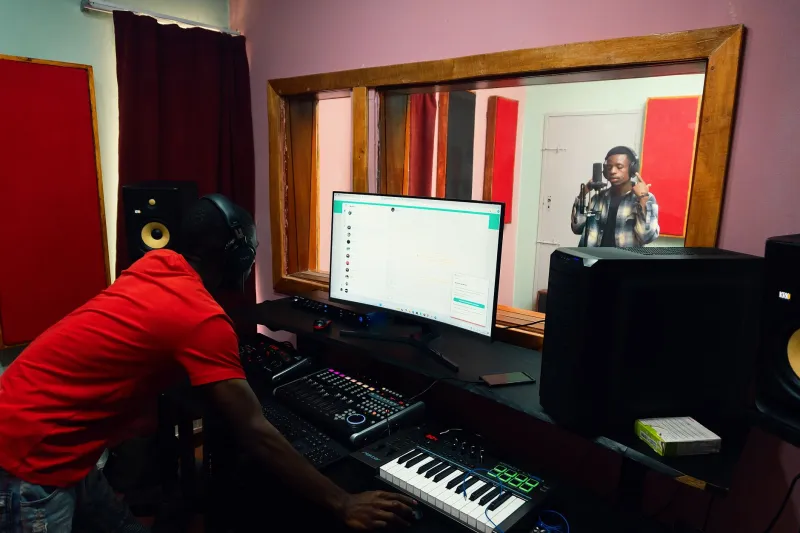
One Hit, Then Nothing: Why Producer-Rapper Duos Burn Out Fast and How to Build a Partnership That Actually Survives Success
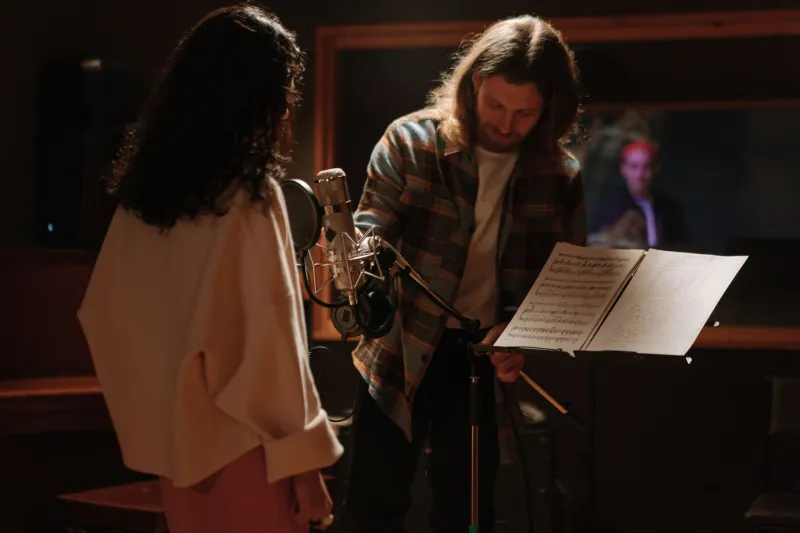
Everybody loves an origin story. The producer grinding in a bedroom studio, the rapper spitting over rough demos at 2am, and then — out of nowhere — something clicks. A record gets traction. Blogs pick it up. Playlist curators come knocking. For a minute, it feels like the universe is finally paying attention.
Then, six months later, they're not even following each other on Instagram anymore.
It happens more than anyone in this industry wants to admit. Producer-rapper teams that looked like the next great duo quietly dissolve after their first real moment of success. No dramatic fallout announcement. No press statement. Just silence, followed by solo releases that never quite hit the same way.
So what actually breaks these partnerships apart? And more importantly — what does it take to build something that doesn't fall apart the second things get real?
The Success Trap Nobody Talks About
Here's the thing about a breakthrough moment: it changes everything about the dynamic between two people, usually before either of them has figured out how to handle it.
Before the hit, the relationship is pretty simple. The producer makes beats. The rapper records. Nobody's really keeping score because there's nothing to fight over. But the second money enters the picture — streaming checks, sync licensing inquiries, booking fees, label interest — suddenly every conversation has a dollar sign attached to it.
Producers who've been through it describe a very specific turning point. One producer who's worked with several mid-level acts out of Atlanta put it plainly: "We were cool when we were both broke. The second the check cleared, my guy had a whole new manager telling him I needed to renegotiate my points."
That story isn't unique. It's practically a template.
The problem isn't that success is bad — obviously, it's the whole point. The problem is that most producer-rapper teams never have the hard conversations about ownership, credit, and money until those conversations are already overdue and emotionally loaded.
Where the Cracks Usually Start
There are a few recurring fault lines that show up in almost every partnership breakdown, and they're worth naming clearly.
Credit disputes are probably the most common. A rapper gets interviewed about the breakout record, and the producer's name doesn't come up once. Maybe it's an oversight. Maybe it's not. Either way, it stings — and it plants a seed of resentment that grows fast.
Unequal momentum is another one. Say the record does well enough to get the rapper a deal, but the producer's name isn't attached to that deal in any meaningful way. Now the rapper is operating in a whole new world, surrounded by label people and A&Rs who've never heard of their original collaborator. The distance gets real quick.
Creative drift hits differently but it's just as destructive. The rapper's sound evolves — or a label pushes them in a new direction — and suddenly the beats that made them famous feel like old news. The producer is still in their bag, but the bag has changed. Nobody says anything out loud, but both parties feel the shift.
And then there's the classic: no paperwork. Two people who trusted each other enough to make music together never thought to put anything in writing. When things get complicated, there's no framework to fall back on. Just vibes, and vibes don't hold up in court.
What Producers and Rappers Wish They'd Done Differently
Talk to anyone who's been through a partnership collapse and you'll hear the same regrets on both sides.
Producers consistently say they wish they'd established their value in writing before the momentum started. Not in a combative way — just a clear, mutual understanding of what they bring to the table and what they're entitled to when things take off. A simple producer agreement, even an informal one drawn up with a music attorney, can prevent years of bitterness.
Rappers, for their part, often admit they let outside voices — managers, label reps, industry advisors who weren't in the room when the magic happened — drive a wedge between them and their producer. "Everybody around me was telling me I could find a better producer now that I had some leverage," one rapper from Chicago reflected. "I listened, and I spent two years chasing a sound I already had."
Both sides tend to agree on one thing: they stopped communicating like collaborators and started communicating like business adversaries, and by the time they noticed, it was too late to walk it back.
Building Something That Actually Lasts
The good news is that the patterns are predictable enough that you can get ahead of them. Here's what the producer-rapper teams that actually make it long-term tend to do differently.
Have the business conversation early. Before the first record drops, sit down and talk about what happens if it does well. Who owns what percentage? How does publishing get split? What's the process if a label comes knocking? It's an awkward conversation, but it's a lot less awkward before the money shows up than after.
Put someone neutral in the room. A music attorney or even a trusted industry advisor who isn't personally invested in either party can help both sides arrive at terms that feel fair. This isn't about distrust — it's about making sure the friendship doesn't get swallowed by the business.
Protect the creative relationship deliberately. When outside pressure starts building, make a point of getting back in the studio just to make music — no agenda, no deadlines, no label feedback. The reason the partnership worked in the first place was because of what happened in that room. Don't let the business side crowd that out entirely.
Talk about credit out loud. If you're the producer and your name isn't showing up where it should, say something directly — before it becomes a pattern. If you're the rapper, make a habit of bringing your producer into the narrative. The best duos in hip-hop history are remembered as teams, not solo acts with a background contributor.
Check in regularly, not just when there's a problem. Treat the partnership like any other relationship that matters. A quick conversation every few weeks about where things are headed, what's feeling off, what's working — that kind of ongoing communication keeps small issues from becoming big ones.
The Long Game
The producer-rapper teams that become legends — the ones people still talk about decades later — didn't just make great music together. They figured out how to be partners in the real sense of the word. They navigated money, credit, creative tension, and outside interference without letting any of it permanently fracture what they'd built.
That doesn't happen by accident. It happens because both people decide early on that the relationship is worth protecting, and they keep making that decision even when it gets hard.
One hit is a moment. A real partnership is a career. The beatboard you're building together is only as strong as the foundation underneath it — and that foundation is built with honest conversations, clear agreements, and a genuine commitment to making sure both people eat.
Don't wait until the check clears to figure that part out.