Crew Up or Get Left Behind: Why the Lone Wolf Producer Era Is Officially Over
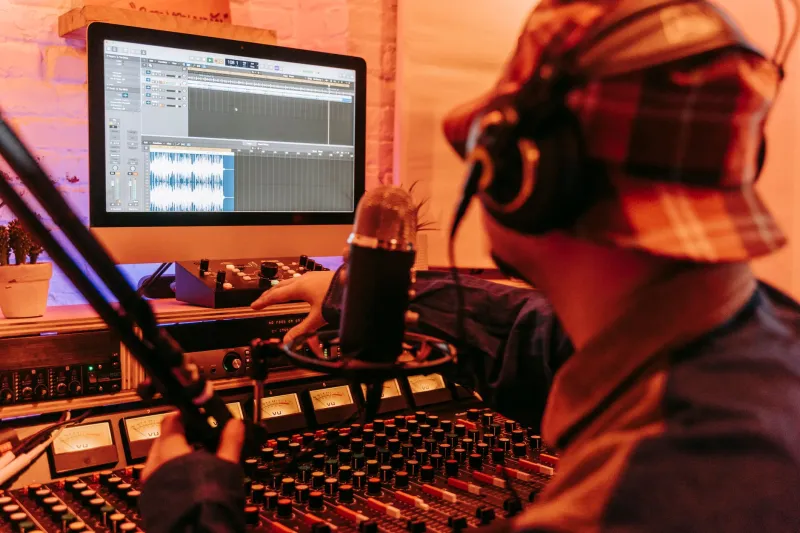
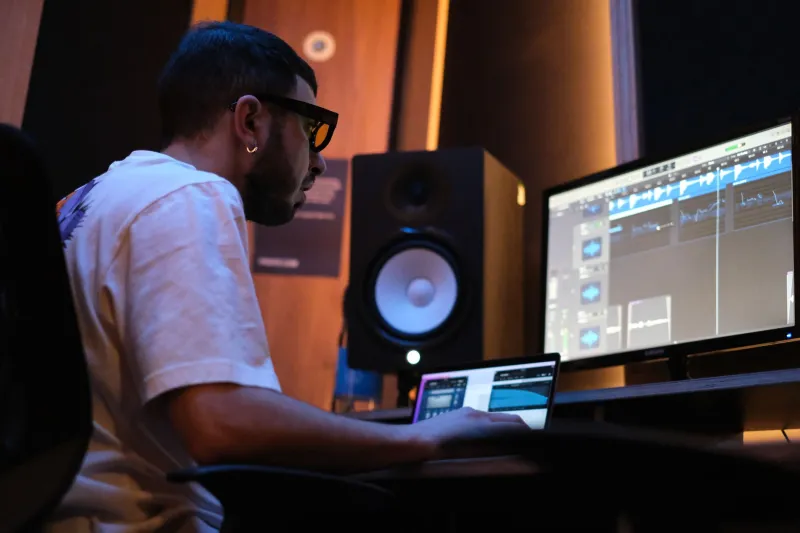
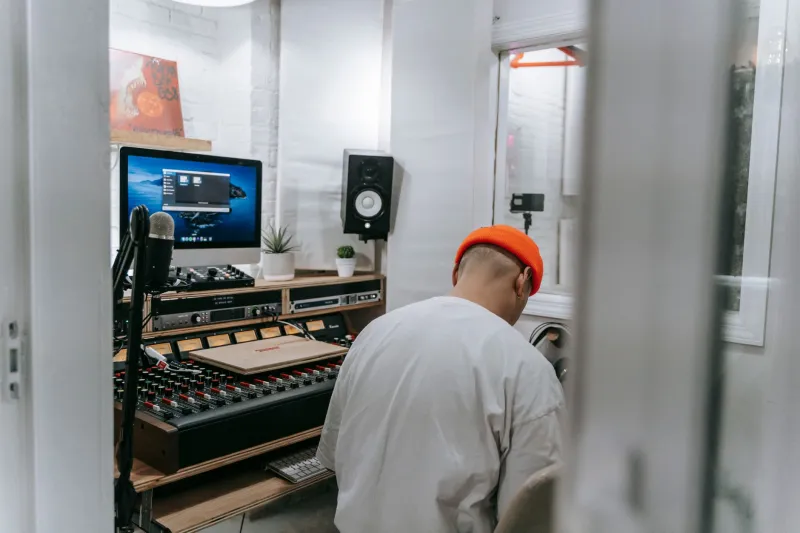
There's a certain romance attached to the idea of the isolated producer — the genius in the basement, headphones on at 3 AM, building something extraordinary in total solitude. Hip-hop culture has mythologized this archetype for decades, and honestly, it's not entirely fictional. Some genuinely great music has come from exactly that setup.
But as a career strategy in 2024? Flying solo is becoming increasingly expensive. And a growing number of producers are figuring that out the hard way.
What's replacing the lone wolf model isn't some corporate team-building exercise. It's something more organic and more powerful: intentional creative crews. Small, vetted collectives of producers who share knowledge, split resources, hold each other accountable, and in many cases are building shared revenue streams that none of them could access individually. The shift is real, it's accelerating, and the gap between producers inside these circles and producers outside them is widening every month.
Why Transactional Platforms Stopped Being Enough
Beat marketplaces and producer-rapper matching platforms have done genuinely useful things for the industry. They've lowered the barrier to entry, created income opportunities for producers who otherwise would've had no path to market, and built the kind of scale that individual networking could never achieve.
But transactional platforms have a ceiling, and a lot of producers are bumping their heads against it. When you're one of ten thousand producers on a marketplace, you're competing on price and volume. The relationships are shallow by design — someone buys a lease, maybe they come back, more often they don't. There's no mentorship embedded in the transaction, no shared growth, no compounding trust that opens doors over time.
Producers who've been in marketplace ecosystems for a few years tend to describe a plateau that's frustratingly hard to break through. The income is real but it doesn't scale. The connections are frequent but they don't deepen. The work gets done but the career doesn't necessarily move.
The antidote, increasingly, is community — but not the anonymous kind. Not a Discord server with five thousand members where your question gets buried in twelve seconds. Something smaller, more deliberate, and a lot more demanding.
What an Intentional Crew Actually Looks Like
The collectives that are working — and there are more of them than you might think, operating quietly and generating real results — tend to share a few structural characteristics.
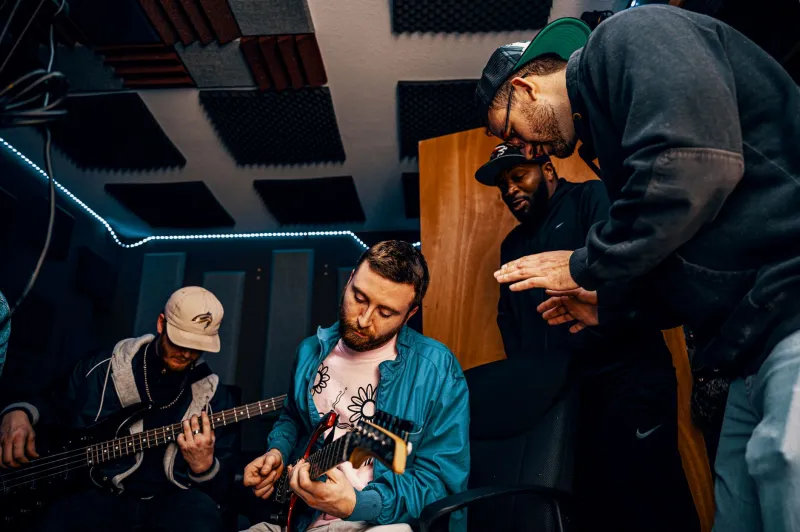
First, they're small. We're talking four to ten producers, not forty. At that size, everyone knows everyone's work, everyone has skin in the group's reputation, and accountability is personal rather than performative. When the group is too large, it starts to function like a marketplace again — anonymous, transactional, full of lurkers who take without contributing.
Second, they have some kind of vetting process. Not necessarily a formal application — though some do operate that way — but a clear set of expectations about what membership requires. Some groups vet by portfolio: you need to demonstrate a certain level of technical competency before you're invited in. Others vet by character and work ethic, prioritizing producers who finish and release consistently over producers who simply have impressive raw talent. The specific criteria matter less than the fact that there are criteria. Open-door collectives almost universally collapse under the weight of their own inconsistency.
Third, they operate on a give-first philosophy. The producers who thrive in crew environments are the ones who show up to share — a technique they learned, a contact they made, a sample pack they built, an honest critique of someone's mix. The ones who join looking primarily to extract value tend to get filtered out naturally, because the group's culture makes extraction uncomfortable.
The Revenue Models That Actually Work for Groups
This is where the crew model gets genuinely interesting from a business perspective. Individual producers are limited in the revenue streams they can realistically pursue. A collective isn't.
Several producer crews have started operating as informal production houses — pitching to labels, sync agencies, and brand campaigns as a unit rather than as individuals. That changes the conversation significantly. A single producer pitching a sync placement is a vendor. A collective with a defined aesthetic and a portfolio of collaborative work is a creative studio, and studios command different rates and different relationships.
Shared sample pack releases are another model gaining traction. A crew of five producers building and releasing a pack together splits the production workload and combines their audiences for the launch. The pack sells to five times the initial reach, generates royalties that distribute back to the group, and builds the collective's brand in a way that individual releases can't match.
Beat subscription services operated collectively — where a group of producers rotates new content to a shared subscriber base — are also emerging as a viable model. The subscriber gets more consistent value (someone in the crew is always working on something), and the producers share both the workload and the recurring revenue.
Building a Crew That Doesn't Implode
Here's the part nobody wants to talk about: most producer collectives fail. They collapse for the same reasons most partnerships fail — unclear expectations, unequal contribution, money disagreements, and ego. Building a crew that actually survives requires addressing all of those potential failure points before they become crises.
Start with a written understanding of how decisions get made and how money gets split. It doesn't need to be a formal legal document at the beginning, but it needs to exist in some form that everyone has agreed to. The conversation that feels awkward to have before things go well is infinitely easier than the conversation you'll have to have after money starts moving and expectations diverge.
Build in regular review points. Every quarter, assess honestly: Is everyone contributing? Is the dynamic working? Are the goals still aligned? Collectives that stay healthy tend to have built-in mechanisms for honest evaluation rather than letting resentments accumulate silently.
Use platforms like BeatBoard to find potential crew members before you formalize anything. Collaborate on one or two projects first. See how someone handles feedback, how they communicate when things aren't working, how they show up when the work gets hard. A crew is a long-term relationship, and you want to know who you're actually dealing with before you're financially entangled.
The Compounding Advantage
The reason the crew model is winning isn't complicated. Knowledge shared inside a tight group compounds. A technique one producer figures out gets adopted by the others in days, not years. A relationship one member builds gets leveraged by the collective. A reputation built by the group's best work elevates every individual within it.
Solo producers are starting from zero every single time. Crew producers are building on a foundation that grows with each collaboration, each shared resource, each connection that passes through the network.
The lone wolf era produced some legends. But the producers building real, sustainable careers right now — the ones with multiple revenue streams, real industry relationships, and catalogs that keep generating income — are increasingly doing it together.
Find your people. Build something that's bigger than any one of you. That's where the next wave of BeatBoard success stories is coming from.