Don't Get Caught Slipping: The Real Cost of Sampling Without Clearance (And How to Stay Protected)
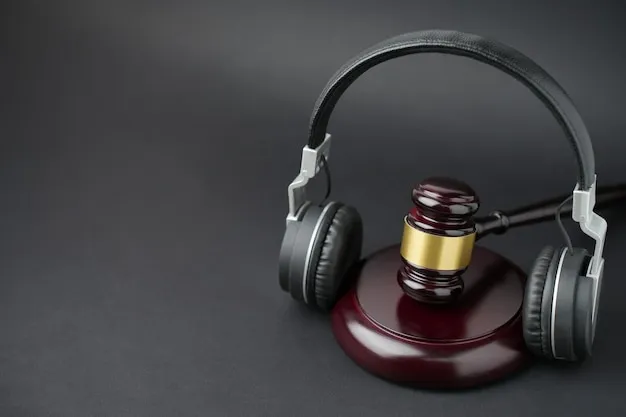
Photo: music copyright law documents headphones beat producer legal paperwork, via img.freepik.com
Sampling is one of the most powerful tools in a producer's arsenal. It's also one of the fastest ways to lose everything you've built — if you don't know what you're doing legally.
We get it. You flipped a two-second horn stab into something nobody's ever heard. It sounds incredible. The rapper on it is going crazy. The mix is clean. You're ready to upload it to BeatBoard and let the world hear it. But if that two-second horn stab belongs to someone else, and you didn't clear it? You might be sitting on a legal landmine.
Let's talk about what's actually at stake — with real examples — and then give you a concrete checklist to protect yourself going forward.
When Sampling Goes Wrong: Five Cases That Should Keep You Up at Night
1. The Biz Markie Ruling That Changed Everything In 1991, rapper Biz Markie sampled Gilbert O'Sullivan's "Alone Again (Naturally)" on "Alone Again" without permission. The judge's ruling was blunt: this was theft. The case didn't just hurt Biz — it effectively established that you must clear samples before release. Every producer working today is living in the legal reality that case created.
2. The Notorious B.I.G. and the "Alone Again" Echo Biggie's posthumous estate faced sample clearance battles on multiple tracks that delayed re-releases and limited streaming availability for years. Even after an artist is gone, the legal obligations on their samples don't disappear. The estate — and the label — still has to deal with the fallout.
3. The Tuf America vs. WB Music Corp. Situation This case involved a tiny drum break — literally a few seconds of percussion — and it still ended up in federal court. The plaintiff argued that even a brief, looped sample constituted infringement. The lesson: there is no "safe" length. The idea that you can use under four seconds without consequence is a myth that has cost producers real money.
4. The Independent Producer Who Lost a Sync Deal This one doesn't have a famous name attached, but it plays out constantly in the background. An indie producer lands a placement in a TV show or commercial — the kind of deal that can change your life. The sync company runs a clearance check, finds an uncleared sample in the beat, and pulls the deal entirely. The producer walks away with nothing. Happens more than you think.
5. The Streaming Takedown Spiral Distributors like DistroKid and TuneCore have become increasingly aggressive about flagging potential sample infringement through automated Content ID systems. A producer uploads a beat with an uncleared sample, it gets flagged within days, the track gets taken down, and the account gets a strike. Enough strikes, and you lose your distribution access entirely — including the tracks that had nothing to do with the original issue.
What Clearance Actually Costs (And Why People Skip It)
Here's the uncomfortable truth: clearing a sample from a well-known song can cost anywhere from a few thousand dollars to well over $50,000 — sometimes more, depending on how much of the original you're using and how commercially successful that original was.
You typically need two separate clearances:
- Master clearance: Permission from whoever owns the original recording (usually a label)
- Mechanical/sync clearance: Permission from whoever owns the publishing rights (songwriter or publisher)
Both cost money. Both require negotiation. Both can be denied outright — meaning the rights holder can simply say no, and there's nothing you can do about it except pull the sample.
This is why so many producers skip the process entirely. The cost feels impossible, especially when you're just starting out. But the cost of not clearing is almost always higher.
Affordable Alternatives That Actually Sound Good
You don't have to give up sampling culture to stay legally protected. Here's where to look:
Royalty-free and Creative Commons sample packs: Platforms like Splice, Looperman, and LANDR offer thousands of sounds specifically licensed for commercial use. Read the fine print on each pack, but most are cleared for beat-making and release.
Public domain recordings: Music recorded before 1928 is generally in the public domain in the US. Digging through old jazz, blues, and classical recordings can surface genuinely unique textures no one else is using.
Interpolation instead of direct sampling: Instead of lifting the actual recording, recreate the melody or chord progression with new instrumentation. You still need to clear the underlying composition (the publishing), but you sidestep the master clearance — which is usually the more expensive of the two.
Original samples: Hire session musicians, record your own sounds, build your own breaks. It's more work upfront, but you own everything outright.
Your Pre-Release Checklist
Before you drop anything on BeatBoard — or anywhere else — run through this:
- Identify every element in your beat that you didn't create yourself. Every loop, every chop, every drum break.
- Trace the original source of each sample. Who recorded it? Who owns the master? Who owns the publishing?
- Check if it's in the public domain using resources like the US Copyright Office database.
- If it's not public domain, contact the rights holders or work with a music licensing attorney to start the clearance process.
- Document everything. Keep records of where every sound in your beat came from. If you're ever challenged, that paper trail matters.
- Use cleared sample packs and save the receipts or license agreements.
- Register your own work with the US Copyright Office once the beat is finished. It's inexpensive and gives you legal standing if someone comes after your original content.
- Read BeatBoard's licensing terms before uploading. Understand what rights you're granting and what protections are in place.
The Bottom Line
Sampling is a tradition. It's how hip-hop was born, and it's how some of the greatest beats in history came to life. Nobody's saying stop. But the producers who build lasting careers are the ones who understand the rules well enough to work within them — or work around them creatively.
The legal landscape around sampling isn't going to get more lenient. If anything, Content ID systems and streaming platform enforcement are getting sharper every year. Getting caught slipping once can set you back years of work.
Protect your craft. Do the homework. And when you upload that next banger to BeatBoard, make sure the only thing anyone's talking about is how hard it knocks.