From contraband to the Canon: How America Learned to Stop Worrying and Love the Flip

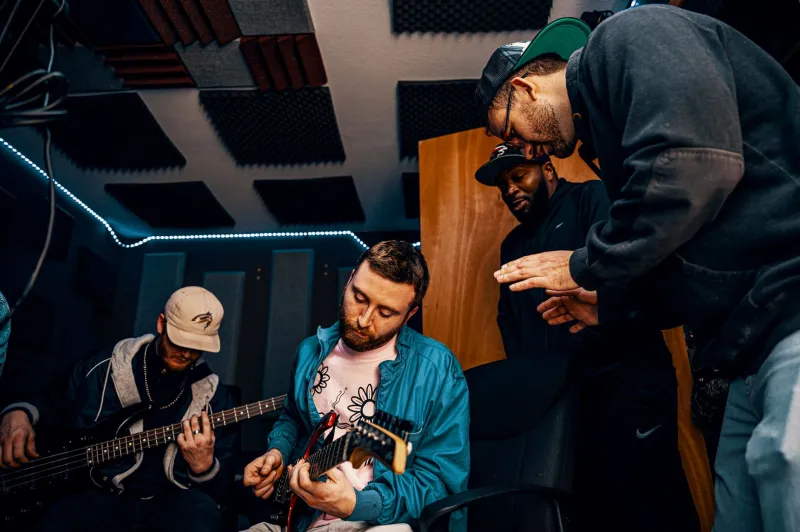
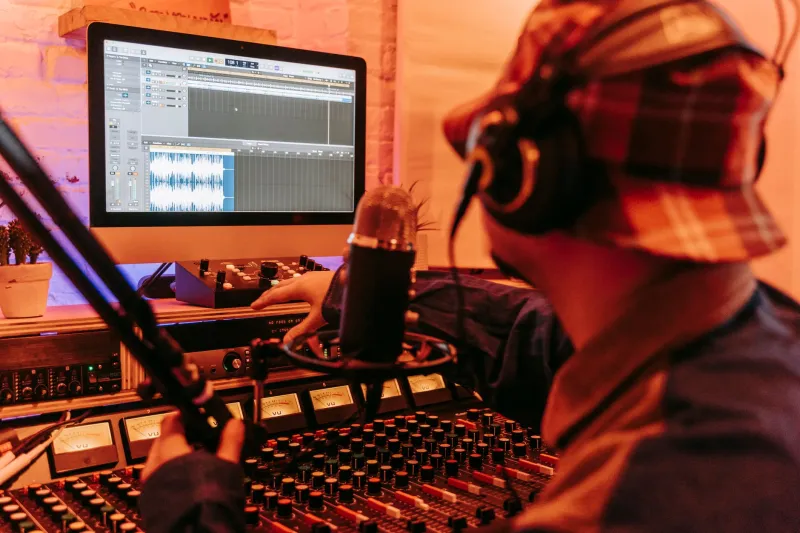
Photo by Photo by Travis Yewell on Unsplash on Unsplash
There's something genuinely absurd about the current moment in sample culture, and I don't think we talk about it enough. The same practice that got producers sued into oblivion twenty years ago — digging through obscure records, flipping a few seconds of somebody else's music into something new — is now the subject of museum exhibits, university courses, and label A&Rs who spend their days hunting for the next viral flip.
The outlaw art form became the establishment. And honestly? The establishment is better for it.
The Dark Ages: When a Sample Could Bankrupt You
Cast your mind back to the early 2000s. Sampling in America was a legal hellscape. The landmark infringement cases of the era — most famously the Bridgeport rulings and the endless lawsuits over uncleared material — sent a chill through the entire producer community. Labels started demanding cleared samples before a beat could even be considered. Clearance could cost thousands of dollars and months of waiting, and independent producers simply couldn't play.
The result was a generation of beatmakers forced into a corner: either compose everything from scratch or live dangerously and hope nobody noticed. Plenty rolled the dice. Some got away with it. Others watched their biggest records get pulled from shelves or their publishing evaporate in settlements.
For a while, it genuinely felt like sampling — the foundational technique of hip-hop itself — was going to be regulated into irrelevance.
The Great Thaw
What changed? A few things, all converging around the 2010s:
The economics flipped. Labels realized that producers with distinctive flips were driving streams, and a cleared sample on a hit was worth far more than the clearance cost. Clearance became a line item, not a barrier.
Sample packs went official. Companies started licensing original recordings specifically for flipping, which meant producers could build entire catalogs from pre-cleared material. The underground loop market became a legitimate industry — and a very lucrative one for the musicians whose work gets licensed.
Technology leveled the field. AI stem-splitting changed everything. Suddenly you could pull a vocal out of a 1970s soul record that was never released as stems and flip it cleanly. Purists grumble, but the practical effect is that a teenager in Ohio can now do what only a major-label studio could do in 2005.
The culture came around. The producers who built their names on obscure flips — the ones who made digging a personality, not just a technique — became the stars. Their catalogs got celebrated, archived, and eventually exhibited. What was contraband became canon.
The Pipeline Nobody Planned
Here's my actual argument: the flip-and-clear pipeline is now the most reliable talent incubator in American music, and almost nobody designed it that way.
Think about how a producer develops today. They start by flipping — taking a loop, a vocal, a bassline, and reworking it. It's the fastest possible way to learn arrangement, harmony, and taste, because you're in conversation with great source material instead of staring at a blank timeline. Every flip is a masterclass and a portfolio piece at the same time.
Then the industry meets them there. A&R teams actively scout producers by their flips. Labels license the underground sound wholesale. And when a flip catches fire, the clearance machinery — the part that used to be a weapon against producers — kicks in to legitimize it and, critically, to pay them.
The litigious era accidentally built the infrastructure that now protects and monetizes the thing it was trying to kill. That's a genuinely rare arc in American cultural history.
What It Means for the Next Generation
If you're coming up now, a few things follow from all this:
Your flips are not a dirty secret — they're your audition tape. Learn the clearance landscape anyway, because understanding rights is what separates producers who get paid from producers who get exploited. And don't let the accessibility of stem-splitting make you lazy; the producers who last are the ones whose flips show a point of view, not just technical extraction.
The basement diggers of the 90s were treated like criminals. Their grandchildren in the craft are getting signed off the same techniques. That's progress — imperfect, commercialized, occasionally corporate — but progress nonetheless.
The flip won. Make it count.