After Dark, Before Dawn: Inside the Nocturnal Studio Economy That Never Sleeps

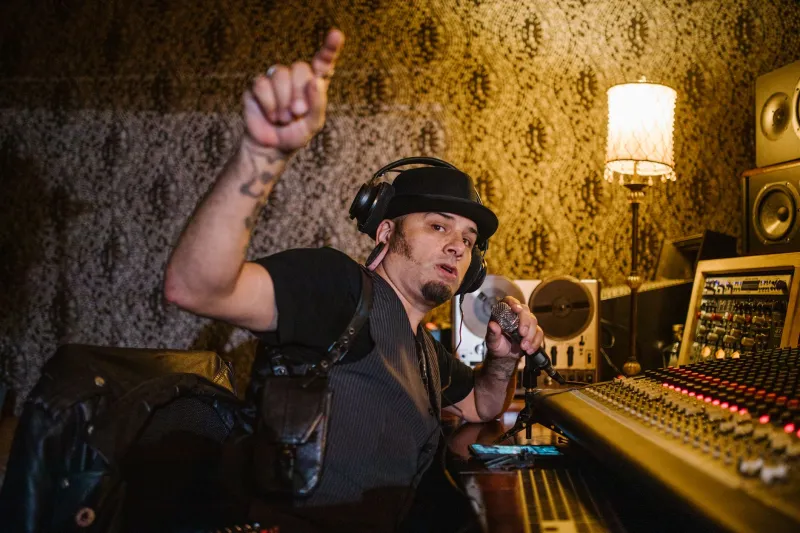
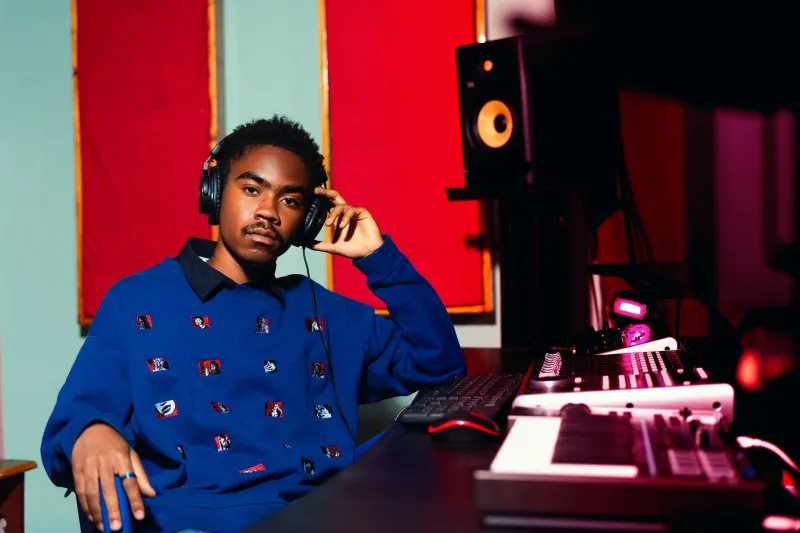
Photo by Photo by Strvnge Films on Unsplash on Unsplash
Ask any producer on BeatBoard when they made their best beat, and you'll get the same answer more often than not: some ungodly hour. 2:47 A.M. 3:15. Right before sunrise. The night-owl producer is such a staple of the culture that it's basically lore at this point — the dormant laptop glow, the headphones at half-volume so nobody wakes up, the 808 that somehow hits harder when the rest of the world is unconscious.
But is there anything real behind the mystique? Or is the midnight grind just romanticized exhaustion?
Why the Night Actually Works (Sometimes)
There's a legitimate scientific case for late-night creativity. During the day, your brain's prefrontal cortex — the part responsible for self-editing, judgment, and second-guessing — is running at full capacity. As you get tired, that internal critic gets sluggish too. Researchers call this reduced cognitive inhibition, and it's why ideas that would get shot down at noon feel brilliant at 2 A.M.
For beat-making specifically, that matters. The whole craft is about breaking patterns — flipping a sample in a way nobody thought of, programming drums that shouldn't work but do. A brain that's slightly less rigid is, in theory, a better beat brain.
There's also the environment. No texts. No emails. No roommates asking what you're doing. Distraction-free focus is the holy grail of creative work, and the middle of the night hands it to you for free.
The Producers Who Built It After Midnight
Talk to working producers and the midnight origin story comes up constantly. The Atlanta producer who made type beats on a cracked laptop during overnight shifts at a warehouse. The Kansas City beatmaker who uploaded her first placements at 4 A.M. because that was the only quiet window between a full-time job and putting kids to bed.
For a lot of them, the night wasn't a vibe — it was the only time available. The 9-to-5 crowd isn't lazy; they're just working with a three-hour window after dinner when their brain is already fried. The night session became the great equalizer for anyone with a day job, a commute, and a dream.
And in producer communities, the late-night timestamp became a flex. Posting a beat with "made this at 4 AM, no sleep" in the caption signals dedication. It says you want it more. Whether that's healthy is another question entirely.
When the Grind Becomes a Hazard
Here's the part nobody wants to put in the caption: chronic sleep deprivation is not a personality trait.
The science that makes tired brains more open also makes them worse at execution, worse at mixing decisions, and dramatically worse at consistency. Sleep researchers have compared going 20 hours without sleep to functioning at the legal alcohol limit. You wouldn't mix a record drunk. Why are we celebrating mixing one exhausted?
The long-term costs are real, too. Burnout in producers tends to look like this: six months of relentless late sessions, a string of beats that all sound weirdly similar, then a full creative shutdown where opening the DAW feels like a chore. We've heard the story on BeatBoard forums more times than we can count.
Building a Night Routine That Doesn't Wreck You
If the night is genuinely when you create, fine — but treat it like a system, not a binge:
- Cap the session. Two to three focused hours beats six foggy ones. Set a hard stop and honor it.
- Protect a sleep anchor. Even if you sleep at 4 A.M., keep it consistent. A wrecked circadian rhythm tanks both creativity and the day job you're funding this with.
- Save critical listening for daylight. Make beats at night, mix decisions in the morning with fresh ears. Your low end will thank you.
- Track the warning signs. If you're irritable, skipping meals, or your beat output quality is sliding, the grind has crossed into hazard territory.
The 3 A.M. beat tape will always be part of producer mythology, and honestly, some of it is earned. But the goal was never to be the person who never sleeps. The goal is to be the person still making beats — and still good at it — ten years from now. Rest is not the enemy of the grind. It's the thing that makes the grind sustainable.
So make your midnight magic. Then go to bed.